Last updated: July 22, 2026
After thirty, something changes — and most women don’t notice it in the mirror at first, but in the fact that the same routine no longer gives the same results. Same diet, same workload, different outcomes. This isn’t imagination or willpower failure. It’s physiology. And it’s one of the areas where strength training makes the most tangible difference.
Why the body follows different rules after 30
From age 30, female physiology changes measurably. Estrogen levels gradually decline, insulin sensitivity decreases, and basal metabolic rate slows down. At the same time, women without targeted training lose muscle mass continuously — a process called sarcopenia, which accelerates around midlife.
This sounds clinical, but it’s not fate. Strength training is one of the few tools that can not only slow this process, but reverse it in part. The World Health Organization therefore explicitly recommends strength exercises for adults at least two days per week — in addition to endurance activity, not as a substitute.[1]
Hormones and muscle building in women: the interplay
Estrogen doesn’t just protect bones; it also influences how efficiently muscles use glucose. As estrogen levels drop — especially during perimenopause — the tendency toward insulin resistance increases. Strength training counters this mechanism: muscle tissue is the body’s largest insulin-sensitive tissue. Building muscle mass improves glucose metabolism.
Cortisol plays a role too. Chronic stress keeps cortisol levels elevated, promoting muscle breakdown and abdominal fat storage. Regular training combined with sufficient sleep works against this — with sleep being the often overlooked part of the equation.
And testosterone? Yes, women produce it too, though in much smaller amounts than men. That’s exactly why the common worry that strength training makes you “too muscular” is physiologically largely unfounded. Compound movements like squats and deadlifts provide strong training stimuli — but in women, they lead to strength gains and improved body composition, not male-like muscle volume.
Bone health: the strongest argument for weights
Osteoporosis affects women significantly more than men. The reason lies in hormone balance: estrogen slows bone breakdown. As this hormone declines, especially after menopause, bone density drops faster.[2]
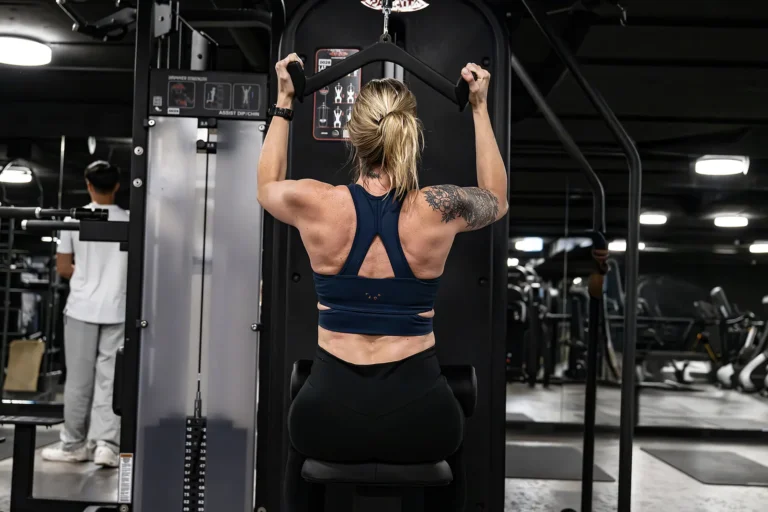
Strength training works here through mechanical stress: when muscles contract and joints bear load, bones respond with increased formation activity. Two to three strength sessions per week are considered effective for maintaining bone density in the hips and spine. Particularly relevant are:
- Compound movements under load (squats, deadlifts, lunges)
- Overhead presses for spine and shoulder girdle
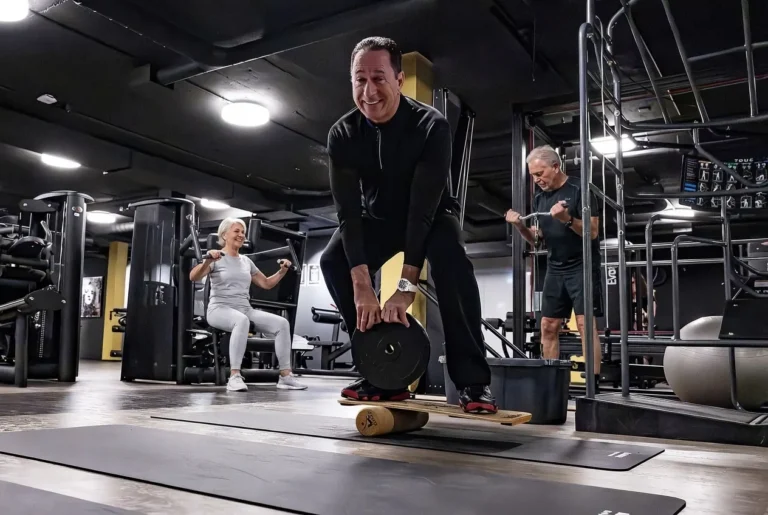
- Single-leg exercises for stability and fall prevention
The last point is often overlooked: The WHO recommends balance training specifically for people over 65 to prevent falls.[1] A strong bone structure is of little use if balance is lacking — both belong together.
Metabolism: sustainable, not crash diets
Muscle tissue is more metabolically active than fat tissue. The difference in resting metabolic rate is about 8 to 9 kilocalories per day per kilogram — real, but far less dramatic than often claimed. Anyone who hears that one kilogram of muscle burns “hundreds of calories daily” reads marketing, not physiology.
The real benefit lies elsewhere: muscle mass stabilizes metabolism over years, improves glucose utilization, and maintains daily performance. Crash diets do the opposite — they preferentially break down muscle mass, lower the basal metabolic rate, and promote the yo-yo effect.
Strength training combined with adequate protein intake protects muscles even during periods of reduced calorie intake. For active individuals, aim for about 1.4 to 2 grams of protein per kilogram of body weight daily, spread throughout the day.
What this means for your training
You don’t need a complex program from day one. What matters are a few core principles — consistently applied:
- Progressive overload. Regularly increase weight or reps. The body only adapts to what challenges it. A weight that makes the last two reps truly hard is correct.
- Two to three sessions per week. Less often yields less gain — beginners rarely get proportional benefits from more frequent training, and risk recovery lagging behind.
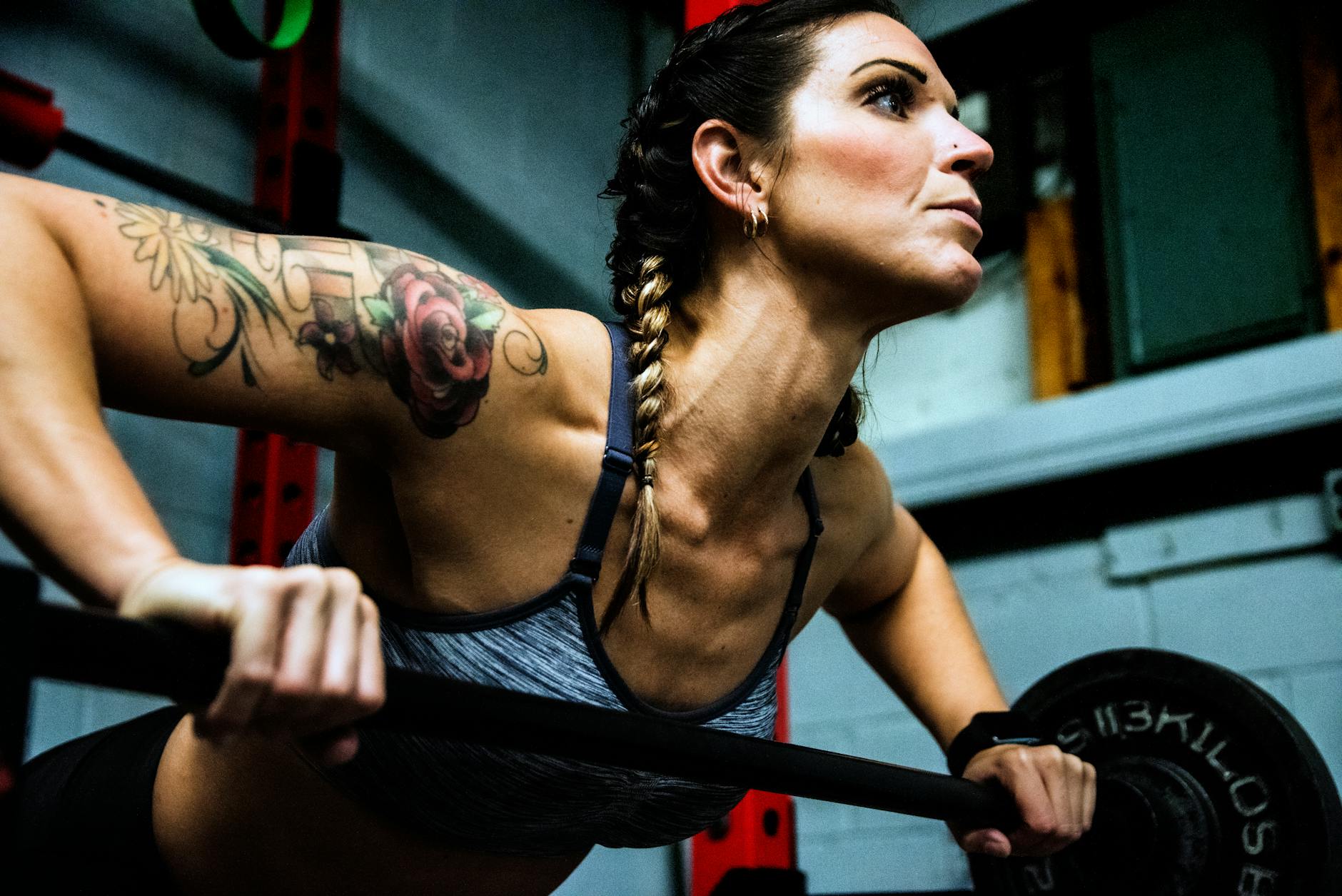
- Start with compound movements. Squats, deadlifts, rows, presses. They train multiple muscle groups at once and transfer best to daily life.
- Recovery is part of training. Muscles grow after the session, not during. Allow about 48 hours between sessions for the same muscle group.
- Distribute protein across the day. Cottage cheese, eggs, legumes, fish, poultry — the source matters less than consistency.
A realistic start: two to three times per week, 45 to 60 minutes of full-body training. After six to eight weeks, most report noticeable changes in strength, energy level, and sleep quality — often before any visual changes appear.
Cycle and perimenopause: should you adjust your training?
Many women report changes in performance and workout perception throughout their cycle. The scientific evidence is less clear than popular narratives suggest — individual variation is high.
A practical approach that works: train consistently, and adjust intensity to what feels right on any given day, rather than sticking to a rigid schedule. During perimenopause, when sleep and recovery are often impaired, recovery becomes more important than training volume.
Frequently asked questions
Will strength training make me too muscular?
No. The hormonal environment in women leads to strength gains and improved body composition, not large muscle mass. Achieving that degree of muscle volume would require very targeted, long-term effort.
I’m in perimenopause and sleep poorly. Should I still train?
Yes — it usually helps. But reduce intensity rather than frequency, and plan recovery time intentionally.
Are machines enough, or do I need free weights?
For beginners, guided machines are often the safer option, as they restrict movement. Add free weights later, once technique and basic strength are in place.
How quickly does bone density change?
Bone responds more slowly than muscle. Changes take months to years — another reason to start early and stick with it.
Where you can begin
At laSuite, Zürichstrasse 33, Lucerne, women of all ages train — on modern strength equipment, with support, and open 24/7, which makes a real difference when balancing work and family. Get a feel at The Studio.
If you’re just starting, How often should you train? offers guidance; for beginners in the second half of life, Strength training over 50. Why recovery matters is explained in Recovery & Sleep.
Conditions are available at Prices. If you’re unsure how to start in your situation — contact us via Contact.
About the author
The laSuite Fitnessclub team, Lucerne. We support beginners, returners, and committed athletes — at Zürichstrasse 33, 24/7, 365 days a year. Strength training, prevention, and physiotherapy under one roof. Questions? Send us a message.
Sources
- World Health Organization: Physical activity – Fact sheet (strength training at ≥2 days/week; balance training from age 65).
- Rheumaliga Schweiz: Information on osteoporosis and movement.
Note: This article provides general information and does not replace individual medical advice. Questions about hormone balance, perimenopause, osteoporosis, or medication should be discussed with a doctor — especially with existing symptoms, pre-existing conditions, or during pregnancy.
Book Your Trial Session
Come by and experience LaSuite – no commitment, fully guided.
Book Trial Session