Last updated: 22 July 2026
Quick truth upfront: it depends. How long it takes for shortened muscles to return to normal depends on how long the issue has existed and how consistently you work on it. Mild, recently developed shortening can often improve significantly in just a few days to two or three weeks. For chronic shortening caused by sitting for months or years, plan on several weeks to a few months. There’s no magic number, and anyone who promises one oversimplifies things. In this article, we explain what lies behind shortened muscles, realistic time frames, and what actually helps.
What are shortened muscles?
In daily language, we talk about shortened muscles when a muscle feels stiff, joint mobility is restricted, and movement pulls or feels unpleasant. Commonly affected areas include the back of the thighs, hip flexors, chest muscles, and neck.
Technically, the muscle rarely becomes truly shorter. More often, the muscle is less flexible in a shortened position, tension is higher, and surrounding connective tissue — the fascia — is less glide-friendly. The result feels exactly like a shortening: movement is limited and pulling occurs. This distinction is important — it explains why targeted training can often work faster than people expect.
Causes: Why muscles shorten
Shortened muscles almost always result from what we do — or don’t do — with our body every day.
- Prolonged sitting: The most common trigger. Spending hours at a desk holds hip flexors and hamstrings in a chronically shortened position. Over time, the body adapts to this.
- One-sided loading: Repeating the same movements, whether at work or in sport, leads to some muscles being overactive and others weak. This imbalance encourages shortening.
- Lack of movement: Muscles not challenged through their full range of motion lose flexibility over time.
- Stress: Chronic tension raises muscle tone, especially in the neck and shoulders. Stress is often felt very directly in the body.
Knowing the cause lets you counteract it effectively — and this directly influences how quickly mobility improves.
How long does recovery actually take?
Back to the core question — let’s get specific. These time frames reflect real-world experiences, not guarantees:
- Mild, acute shortening: If a muscle is tense after intense training or unusual strain, it often normalizes within a few days to one or two weeks, provided you act against it.
- Moderate shortening: If restrictions have been present for several weeks, you usually need several weeks of consistent work before mobility improves noticeably.
- Chronic shortening: Problems developed over months or years due to posture and lifestyle require patience. Several weeks to months are normal, often including adjustments to your daily routine.
What factors influence progress? Mainly your age, general fitness level, how long the issue has existed, and particularly your consistency. Someone training three times a week will progress much faster than someone who stretches only occasionally. You’ll often feel positive changes within one or two weeks, but lasting improvement requires regular commitment.
What actually works
Improving mobility works best with a combination of methods — not just stretching.
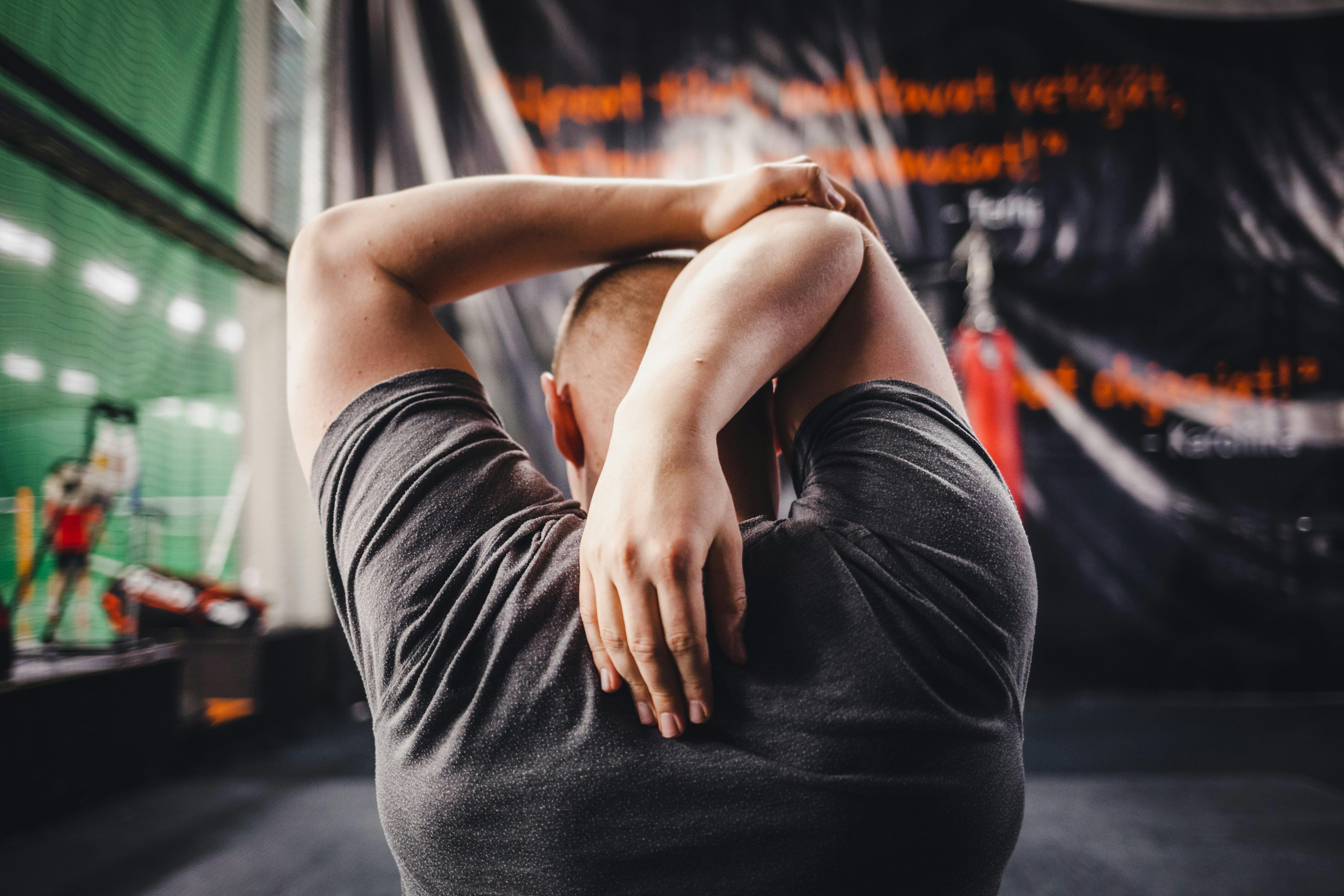
- Correct stretching: Static stretching is most effective when you hold the position still for 30 to 60 seconds and repeat regularly. Consistency over weeks matters more than one strong pull.
- Fascia training and foam rolling: Gentle rolling with a foam roller improves connective tissue glide and can reduce tension. It’s highly effective as a supplement to stretching.
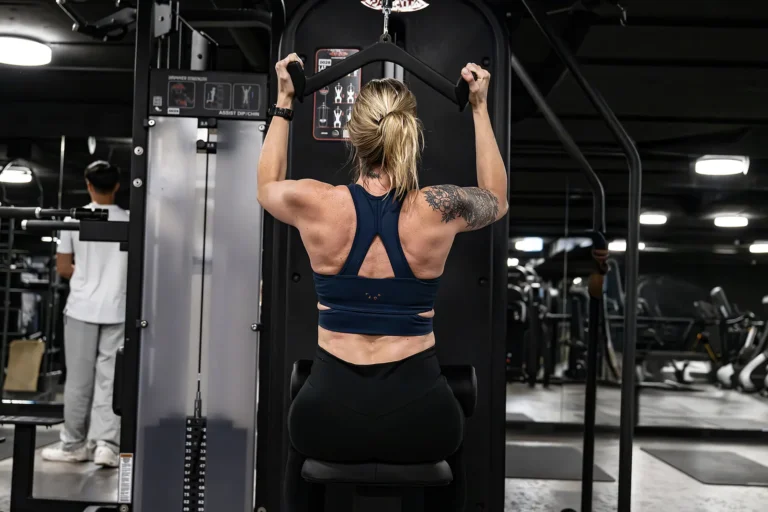
- Strength training through full range of motion: This is often underestimated. Performing exercises cleanly through their entire range — like deep squats or lunges — builds strength and mobility at the same time. This approach is usually more sustainable than stretching alone.
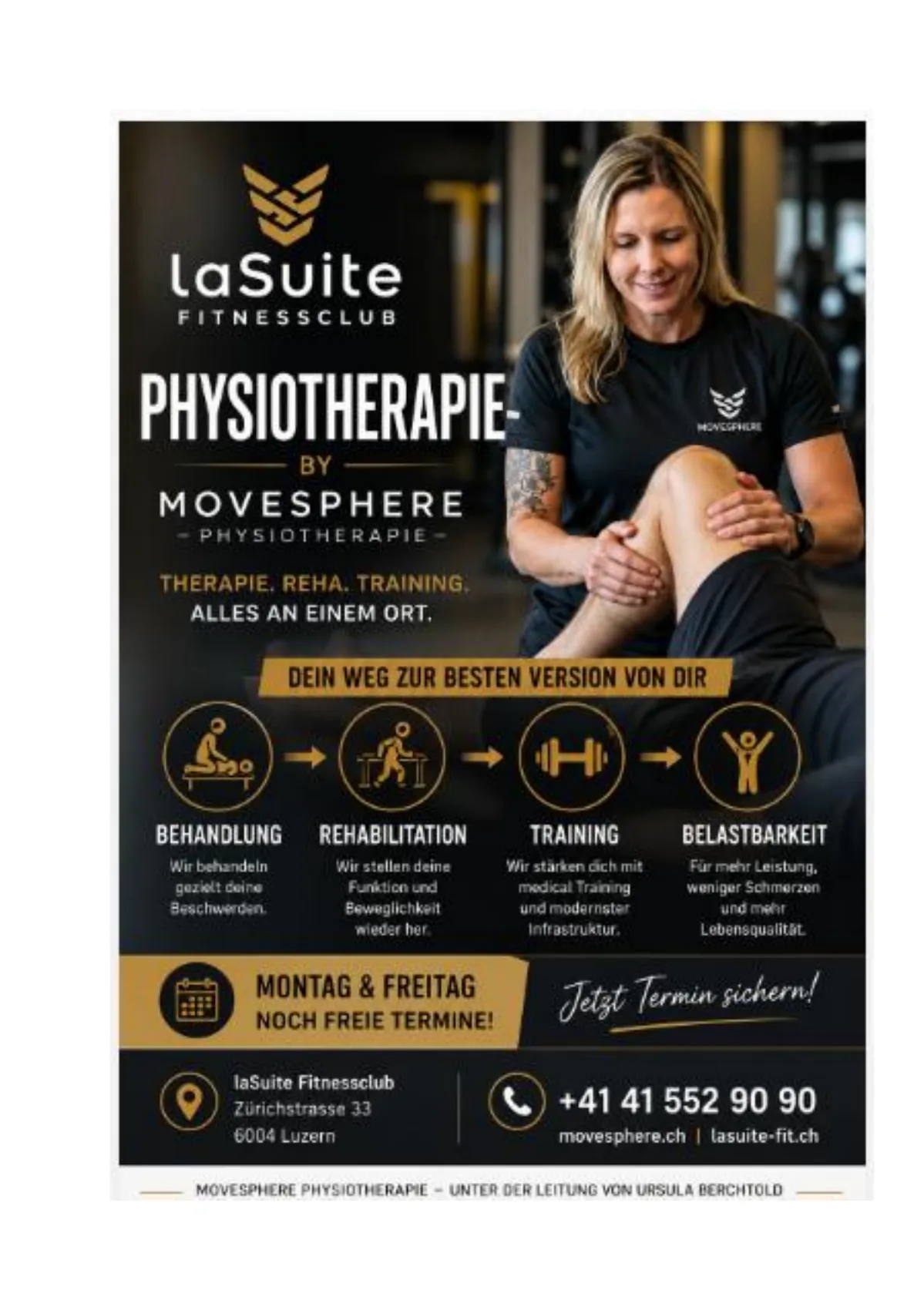
- Physiotherapy: For stubborn or painful shortening, professional guidance offers the biggest leverage. Physiotherapists identify the root cause, release tension with manual techniques, and create a targeted exercise program.
It’s the mix that makes the difference. Just stretching for months without strength training through full range often leads to slow progress.
How to prevent it
Preventing shortening is much easier than reversing it later. A few habits keep your muscles consistently mobile:
- Stand up and move briefly every half to full hour during sitting work.
- Integrate regular movement into your daily routine, ideally with strength and mobility exercises.
- Train deliberately through the full range of motion, not just in small partial ranges.
- Balance one-sided strain from work or sport.
- Set aside time for short mobility sessions, especially after long sitting periods.
When to see a physiotherapist
Not every shortening needs professional help, but in some cases it’s clearly worthwhile. Seek professional support if the restriction is painful, nothing improves despite weeks of self-training, mobility visibly limits your daily life or training, or you want to get back in shape after an injury. Even if you simply want to ensure the cause is correctly identified and targeted, a physiotherapy consultation is a smart move. A qualified assessment saves time and prevents frustration from incorrect training.
Conclusion
There’s no single number to answer how long it takes for shortened muscles to return to normal. Mild shortening often improves in days to a few weeks; chronic issues take weeks to months and require consistent effort. The key is combining proper stretching, fascia work, strength training through full range, and professional physiotherapy when needed.
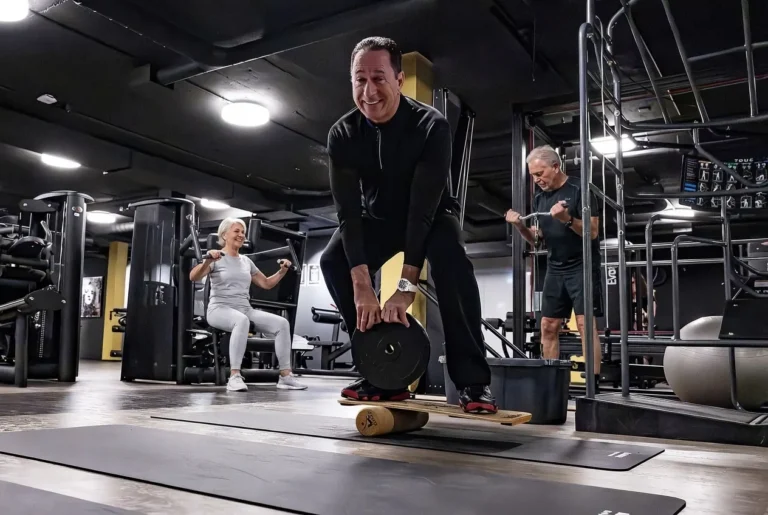
At laSuite Fitness in Lucerne, we combine training with prevention and physiotherapy under one roof. You don’t just get a place to train around the clock — you also get expert guidance to specifically improve your mobility and prevent muscle shortening long-term. Let us advise you and get your body moving again. We have a dedicated area for mobility and recovery — our equipment at a glance.
Frequently asked questions
How long does it take for shortened muscles to return to normal? It depends on severity. Mild shortening often improves in days to two weeks; chronic shortening developed over months may take several weeks to months of consistent work. There’s no one-size-fits-all number.
Can you solve shortened muscles through stretching alone? Stretching helps, but it’s rarely the best solution on its own. Combining stretching with fascia work and especially strength training through full range usually produces more lasting results.
How often should you stretch to improve mobility? Several sessions per week make sense for noticeable progress — ideally three to five. More important than intensity is consistency over multiple weeks.
When should you see a physiotherapist for shortened muscles? If pain is involved, if there’s no improvement despite weeks of self-training, or if the restriction affects your daily life. Professional support is also recommended after injuries.
When your musculoskeletal system is speaking
Shortening is rarely an isolated issue — strengthening is usually needed too. What this means for your back is explained in Strengthening the back instead of resting; functional approaches are covered in Functional Training. At laSuite, located at Zürichstrasse 33 in Lucerne, training and physiotherapy are under one roof — The Studio. Questions about your situation? Contact us.
About the author
The team at laSuite Fitnessclub, Lucerne. We support beginners, returning athletes, and ambitious trainees at Zürichstrasse 33 — 24 hours a day, 365 days a year. Strength training, prevention, and physiotherapy under one roof. Questions? Write to us.
Sources
- Swiss Rheumatism League: Information on musculoskeletal complaints.
- Federal Office of Sport (BASPO) / HEPA Switzerland Network: Exercise recommendations for Switzerland.
Note: This article provides general information and does not replace individual medical advice. If you have existing complaints or pre-existing conditions, please consult a doctor before starting training.
Book Your Trial Session
Come by and experience LaSuite – no commitment, fully guided.
Book Trial Session