Last updated: 18 November 2025
You’ve signed up, the first few weeks go well, and then—usually between week four and eight—it starts to fade. First, one session gets skipped, then two, and eventually your membership card sits in your wallet like a guilty secret. This isn’t a character flaw. It’s a pattern, and you can do something about it.
Why motivation is the wrong starting point
Motivation is a feeling, and feelings fluctuate. If you only train when you feel like it, you’ll go hard in January and barely show up in March. The problem isn’t lack of discipline—it’s using an unstable state as the trigger for an action that needs consistency.
What actually works: habit. A habit doesn’t care about mood. It’s tied to a time, a place, and a cue. That’s exactly why “Tuesdays and Fridays at 6 PM” beats “two to three times per week.”
The four most common reasons for quitting — and what helps
- Too much too soon. Five sessions per week feel great in week one and like punishment by week three. Starting deliberately below your limit means you still have energy left by month three, not burnout.
- No visible progress. If you only watch the scale, you’ll see nothing for weeks—muscle gain and fat loss cancel each other out. Better markers: training weights, reps, how you feel climbing the third-floor stairs.
- No fixed slot in the calendar. Training that’s “some time today” rarely happens—statistically, it doesn’t get done.
- One missed session becomes surrender. One missed week is normal. It only turns into six if you interpret the gap as proof that “it’s not going to work anyway.”
What actually works — based on our experience
Four things we see in people who are still training after a year:
- Fixed appointments instead of intentions. Two set slots per week, booked in your calendar like a meeting with someone else.
- A low barrier on bad days. The rule “if I don’t feel like it, I still go and do just 20 minutes” saves surprisingly many sessions. Most of the time, you end up doing 45.
- Keep a simple log. A basic training journal makes progress visible—something your feelings can’t provide. Numbers are more patient than motivation.
- Not alone. If you know someone at the studio—training partner, familiar face, someone from the team who says hello—you show up noticeably more often.
The time factor — and why opening hours matter more than you think
The dropouts we see most often don’t have dramatic reasons. They result from friction: class at 7 PM, session runs to 7:15, so you miss it. Happens twice, and the habit is broken.
The less a studio prescribes when you can train, the fewer friction points there are. If you can train at 6 AM, 2 PM, or 10 PM, you don’t need to reshape your schedule around fitness—you slot it into gaps that already exist. This isn’t flashy, but it’s the difference between sticking with it and giving up.
Frequently asked questions
I was away for three months. Is restarting worth it?
Yes. Your body remembers faster than you think—most people feel back in rhythm after two or three sessions. Start with reduced weight.
How long until training becomes a habit?
Highly individual. Realistically, several months, not three weeks. What matters more than duration is consistency during that time.
What if I feel uncomfortable at the studio?
Then it’s the wrong studio—and that’s a valid reason to switch, not to quit. Atmosphere isn’t a soft factor; it determines whether you keep coming back.
If you want to try again
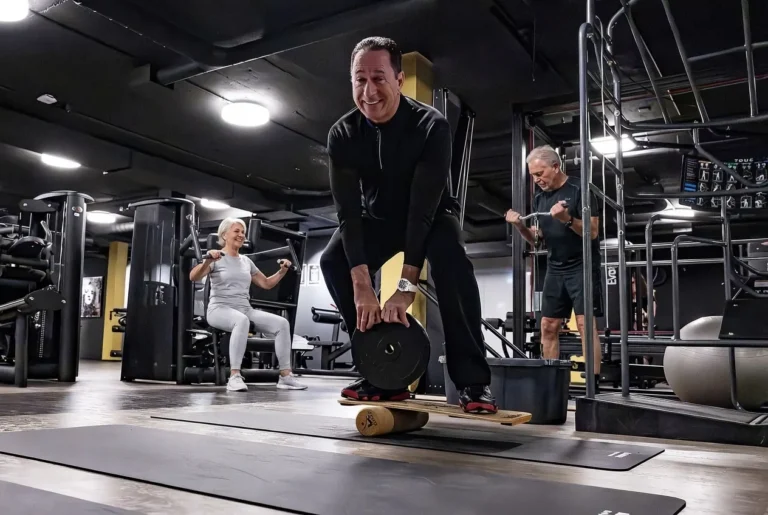
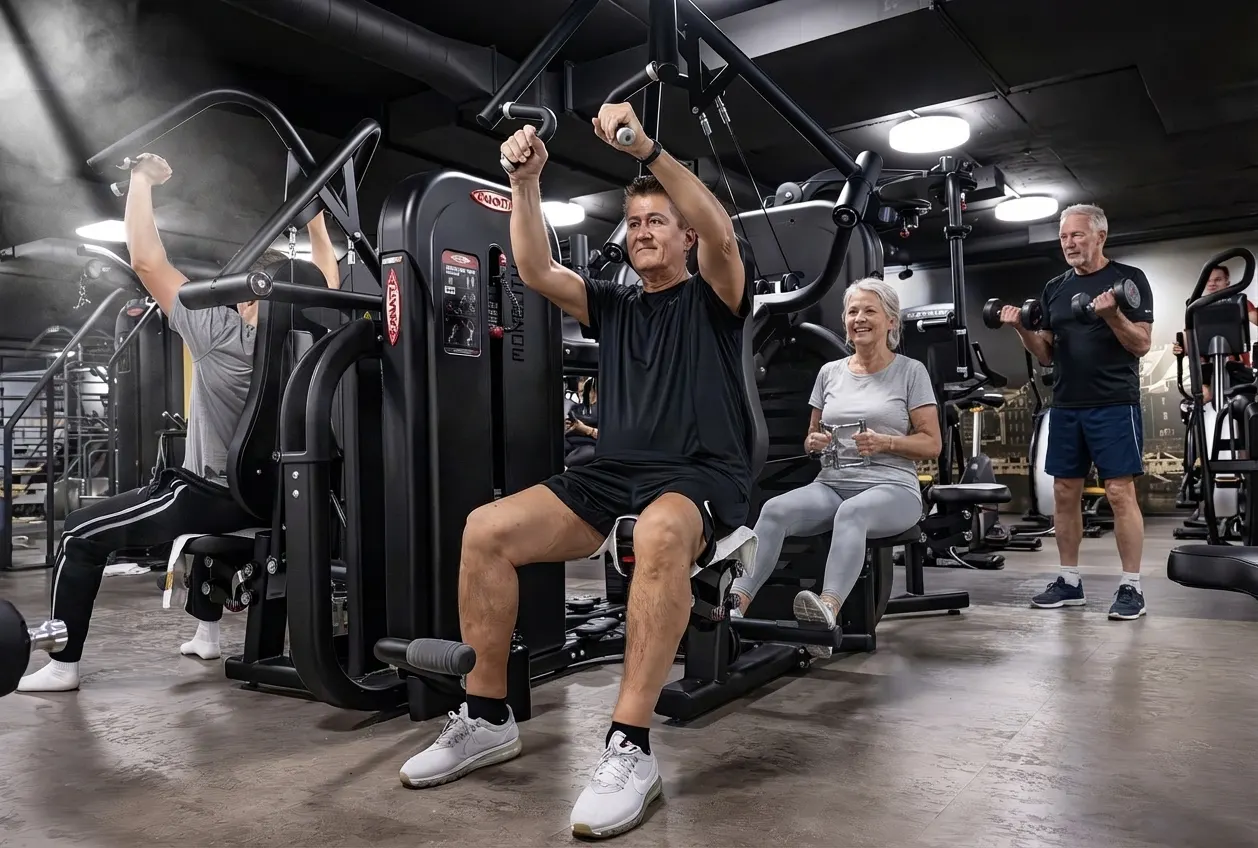
laSuite at Zürichstrasse 33 in Lucerne is open 24/7, 365 days a year—exactly for the weeks when your plan falls apart. See what the studio looks like at The Studio.
For the structural side, check How often should you train? and Functional Training. For those over 50: Strength training over 50. Conditions: Pricing.
If you’re unsure how a realistic restart might look for you—contact us via Contact. The best training plan is the one you actually follow through on.
About the author
The team at laSuite Fitnessclub, Lucerne. We support beginners, returners, and dedicated athletes at Zürichstrasse 33—round the clock, 365 days a year. Strength training, prevention, and physiotherapy under one roof. Questions? Write to us.
Sources
- World Health Organization: Physical activity – Fact sheet (Recommendations on duration and frequency).
- Federal Office of Sports BASPO / Network HEPA Switzerland: Physical activity recommendations for Switzerland.
Note: This article is for general information only and does not replace individual medical advice. If you have existing symptoms or pre-existing conditions, please consult a doctor before starting training.
Book Your Trial Session
Come by and experience LaSuite – no commitment, fully guided.
Book Trial Session